How to Choose an ERP for Steel Fabrication & PEB Companies
What to look for in an ERP for steel fabrication and pre-engineered building (PEB) companies, from enquiry tracking and production planning to 3D progress.
By Scalixo Team · · 4 min read
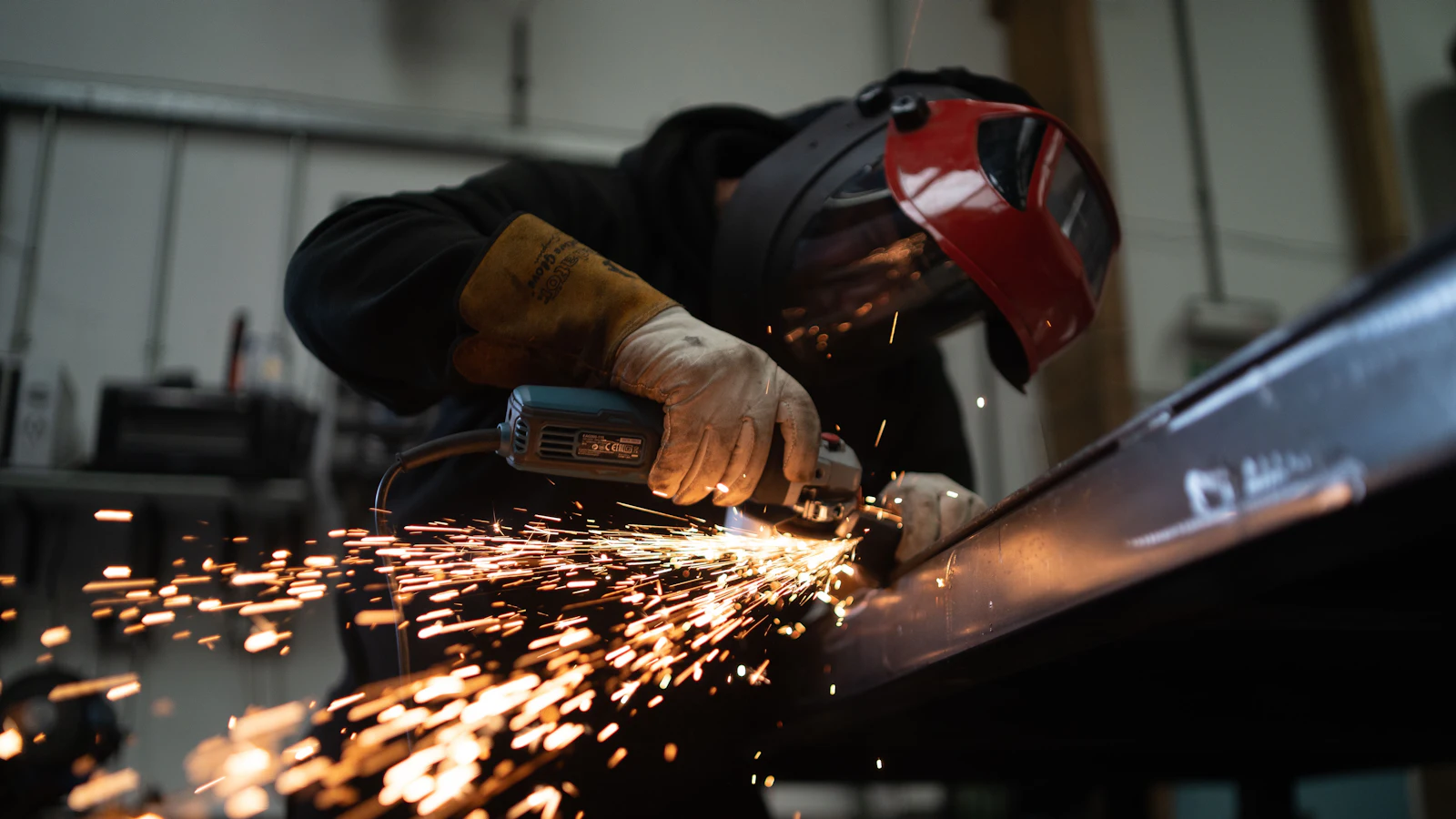
Steel fabrication and pre-engineered building (PEB) companies run on complexity. A single project moves through enquiries, estimation, design, procurement, cutting, welding, painting, quality checks, dispatch and site erection, often across several teams and locations.
When that journey lives in spreadsheets, WhatsApp groups and memory, things slip. This guide explains what an ERP should do for a fabrication business and how to choose the right one.
Why generic ERPs struggle in steel fabrication
Most general-purpose ERPs were designed for trading or standard manufacturing. Fabrication is different:
- Every project is unique. Products are engineered to order, not built from a fixed catalogue.
- Work is tracked by project, building and member, not just by stock item.
- Progress happens in two places: the factory and the construction site.
- Timelines depend on many handoffs between sales, design, production and erection teams.
Forcing these workflows into a generic system usually leads to heavy customisation, frustrated teams and parallel spreadsheets.
Core features to look for
Enquiry and sales tracking
Your ERP should capture every enquiry, track follow-ups and show your sales pipeline at a glance, so no opportunity is lost and you know which projects are likely to close.
Project and production planning
Look for planning built around how fabrication actually works: by project, building and bay, with clear schedules for each production stage. Teams should know what to work on today and what is coming next.
Quality control
Quality checks should be recorded against the exact members and stages they relate to, with clear status and history. This reduces rework and gives you a reliable record for clients.
Real-time project visibility
Managers and clients want to know where a project stands. Visual progress tracking, such as a 3D view of which members are fabricated, dispatched or erected, makes status clear without long reports.
Mobile access for factory and site
Supervisors on the shop floor and site engineers need to update progress from a phone or tablet. If updates require a desk, data will always be out of date.
Dashboards and reporting
Owners need a simple view of the numbers that matter: pipeline value, production progress, delays and delivery dates.
Maintenance and asset tracking
Machines such as cutting, welding and blasting equipment keep the factory running. Scheduled maintenance tracking helps prevent costly breakdowns.
Questions to ask before you buy
- Was it built for fabrication and PEB? Industry-specific software needs far less customisation.
- Does it cover the full journey? From enquiry to erection, or will you still need other tools?
- Can the shop floor and site use it easily? Test it on a phone with the people who will use it every day.
- How long does implementation take? Ask for a realistic timeline and what support is included.
- Can it grow with you? Check it handles more users, projects and locations as you scale.
- What does a demo look like with your data? A tailored demo shows far more than a generic tour.
Implementation tips
- Start with one live project to prove the workflow before rolling out company-wide.
- Involve supervisors early. They know where the real bottlenecks are.
- Clean up master data such as clients, projects and item lists before migration.
- Set clear ownership for who updates what, and when.
- Review weekly during the first months and adjust the setup as your team adapts.
Key takeaways
- Steel fabrication and PEB workflows are project-based and engineered to order, which generic ERPs handle poorly.
- Prioritise enquiry tracking, production planning, quality control, real-time visibility and mobile access.
- Choose a system built for the industry, and roll it out in phases with your supervisors involved.
Scalixo Steel is an ERP built specifically for steel fabrication and PEB companies. It covers enquiries and follow-ups, production planning by bay, quality control and live 3D project progress. You can book a free demo to see it with your own workflows.
Frequently Asked Questions
What is ERP software for steel fabrication?
It is a business system that manages the full fabrication workflow, including enquiries, estimation, production planning, quality control, dispatch and erection, in one place instead of separate spreadsheets and apps.
Is ERP worth it for a small fabrication company?
Yes, if your team is losing time to manual updates, missed follow-ups or unclear project status. Modern ERPs can be rolled out in phases, so smaller companies can start with the areas that hurt most.
How long does it take to implement an ERP in a fabrication business?
It depends on company size and how much data needs migrating. Industry-specific systems are typically faster to implement because the workflows already match how fabrication companies operate.
Can workers use the ERP on mobile phones?
They should be able to. Mobile access lets shop floor supervisors and site engineers update progress in real time, which keeps project status accurate for everyone.